Site Prep: Environmental Considerations Before Spring Construction
Breaking Ground Responsibly:
Preparing Sites for Safe Spring Projects
As mud season winds down, construction and renovation projects ramp up. Warmer temperatures and longer days make spring an ideal time to break ground — but starting without proper environmental preparation can lead to costly delays, safety hazards, and compliance issues. Thoughtful site preparation ensures projects move forward efficiently while protecting workers, communities, and the surrounding environment.
How Saturated Ground Impacts Construction
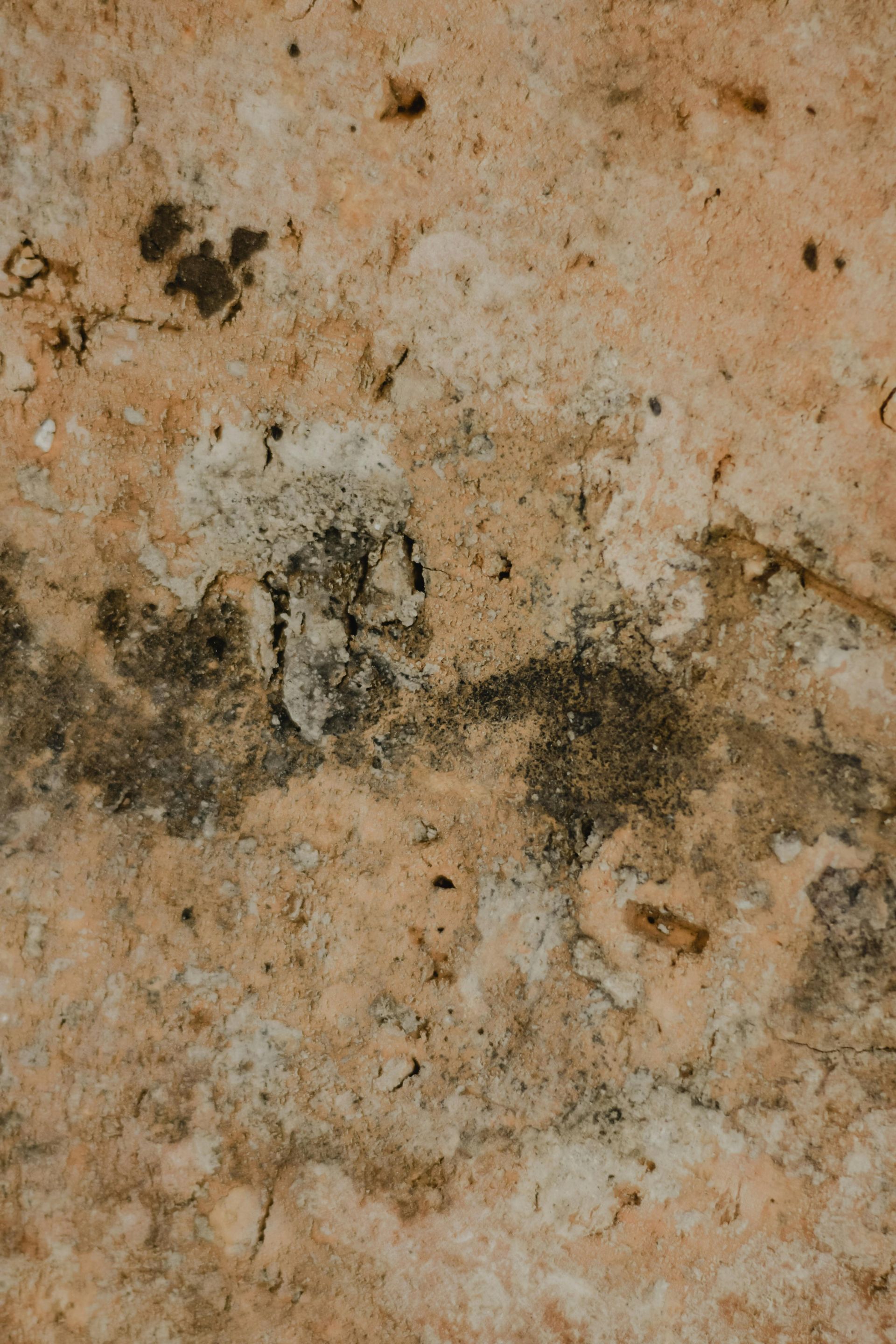
After months of snow and rain, soil remains saturated well into early spring. Wet, unstable ground can complicate demolition, excavation, and foundation work. Heavy equipment may compact soil unevenly, damage underlying utilities, or increase sediment runoff into nearby waterways. Saturated conditions can also expose previously undisturbed contaminants. Disturbing soil without proper assessment may release hazardous materials such as asbestos-containing debris, lead-impacted dust, petroleum byproducts, or other legacy contaminants that have settled below the surface over time. Addressing these risks before heavy equipment mobilizes is essential for both safety and regulatory compliance.
The Importance of Environmental Site Assessments
Before excavation begins, environmental site assessments play a critical role in identifying potential hazards. Testing for asbestos, lead-based materials, and contaminated soil ensures that any regulated materials are properly managed. Early identification allows project teams to create a clear remediation plan rather than reacting to unexpected findings mid-project. Professional environmental services providers, such as MP Environmental Services, help clients navigate these requirements with thorough inspections, sampling, and documentation. By conducting assessments before construction begins, property owners reduce liability, prevent work stoppages, and maintain compliance with environmental regulations.
Managing Stormwater & Erosion on Job Sites
Spring weather often brings heavy rainfall, making stormwater management a top priority. Construction activity can disturb soil and increase sediment runoff, which may carry contaminants into storm drains or adjacent properties.
Best practices for erosion and runoff control include:
- Installing silt fencing and sediment barriers.
- Creating stabilized construction entrances to reduce track-out.
- Implementing temporary drainage channels or retention basins.
- Covering exposed soil with erosion control blankets or hydroseeding.
- Scheduling excavation strategically to minimize prolonged exposure of bare soil.
These measures not only protect local waterways but also help projects remain in compliance with environmental permitting requirements.
Environmental Services That Support Site Preparation
Proper preparation extends beyond assessments. Safe soil disposal, hazardous waste handling, and dewatering services are often necessary to create stable, compliant work conditions. Dewatering removes excess groundwater from excavation zones, while contaminated soil must be transported and disposed of according to regulatory standards. MP Environmental Services provides comprehensive environmental support before and during construction, helping contractors and property owners manage hazardous materials responsibly and efficiently. With the right preparation, spring construction projects can proceed smoothly — safeguarding both progress and the environment.