What Is Abatement?
Abatement: What is it, and how is it done?
Asbestos abatement refers to the process of safely removing and disposing of asbestos-containing materials in buildings or other structures. Asbestos is a naturally occurring mineral that was commonly used in construction materials due to its insulating and fire-resistant properties. However, it is now known to be a hazardous material that can cause serious health risks, including lung cancer and mesothelioma, when its fibers are inhaled.
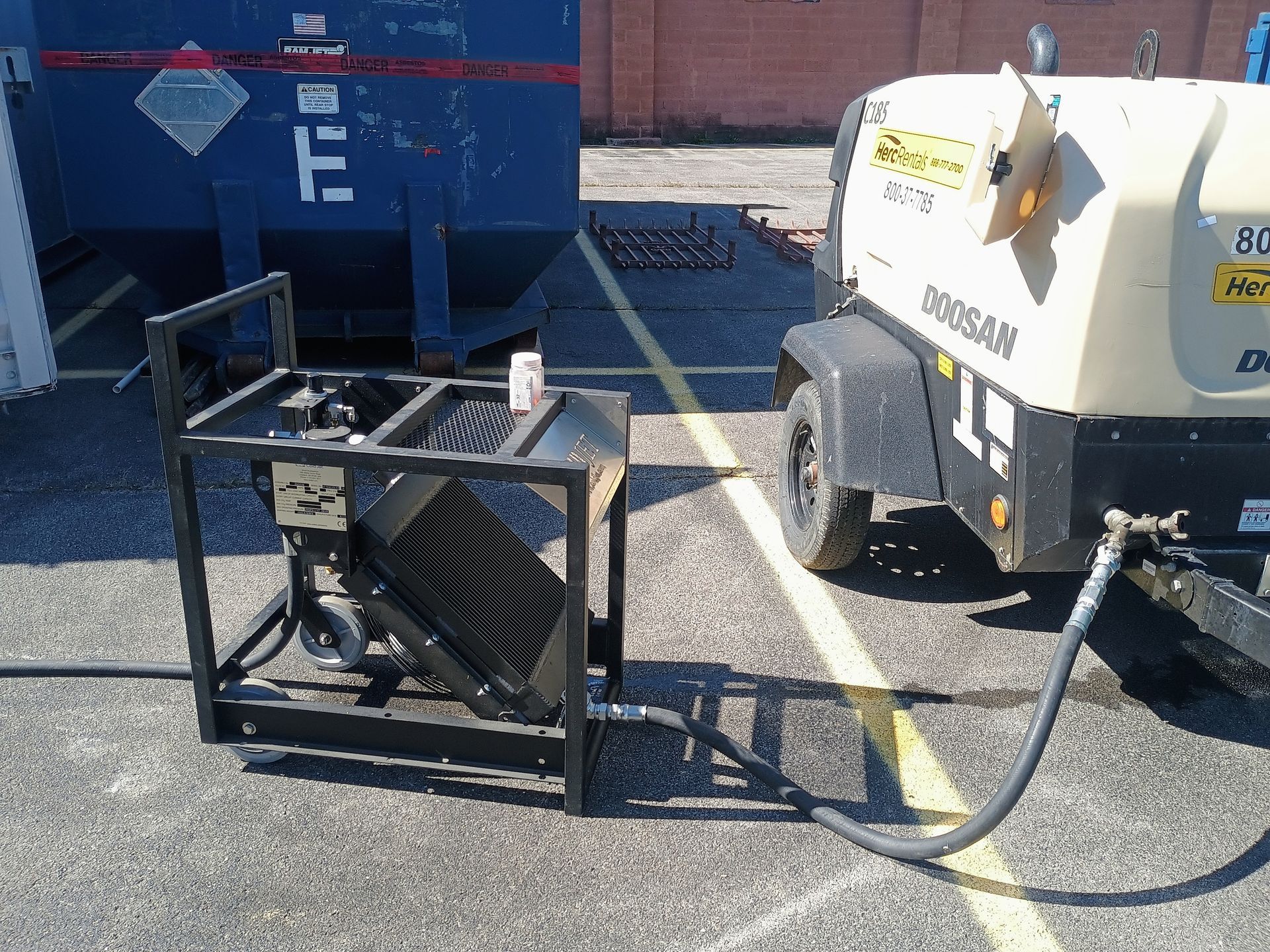
The abatement process involves identifying areas where asbestos is present, sealing off the area to prevent the spread of fibers, and removing the materials containing asbestos using specialized equipment and trained personnel. Once the asbestos-containing materials are removed, they must be properly packaged and disposed of in accordance with local and federal regulations. Asbestos abatement is a critical process in ensuring the safety of workers and building occupants and is typically carried out by licensed professionals with the proper training and equipment.
"It is now known that asbestos dust is one of the most dangerous dusts to which man is exposed."
- 1932 Letter from U.S. Bureau of Mines to asbestos manufacturer Eagle-Picher